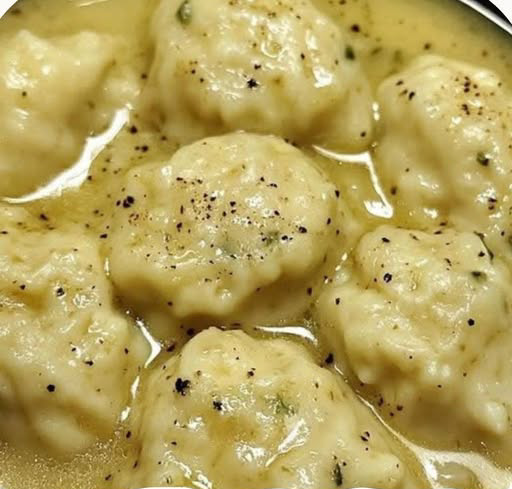
Discover how to make authentic, airy Feather Dumplings for Chicken and Dumplings. Our foolproof recipe guarantees pillowy results that transform any soup into the ultimate comfort meal.
There is a specific kind of magic that happens when a pot of chicken stew starts to bubble on a cold evening. But let’s be honest: the stew is often just the supporting actor. The real stars are the dumplings. If you have ever bitten into a dumpling that felt more like a lead weight than a cloud, you know the heartbreak of a failed recipe. We are putting an end to that today. These feather dumplings are exactly what the name suggests—impossibly light, airy, and designed to soak up every drop of savory goodness. Whether you are cooking for a crowd or just need a culinary hug, this is the recipe that will change your Sunday dinners forever.
Essential Tools for Success
To achieve that perfect “feather” texture, you will need a few basic kitchen staples:
- Medium mixing bowl (for dry ingredients)
- Small mixing bowl (for wet ingredients)
- Sifter or a fine-mesh strainer
- Whisk or a sturdy fork
- Measuring cups and spoons
- A large pot with a tight-fitting lid (This is the most important tool!)
The Ingredients
Gather these simple ingredients to create your masterpiece. Quality matters here, so try to use fresh items for the best rise.
- 2 cups all-purpose flour
- 1 tablespoon baking powder
- 1 teaspoon salt
- 1/4 teaspoon black pepper (optional, but highly recommended for depth)
- 1 large egg, well beaten
- 2 tablespoons butter, melted and allowed to cool slightly
- 2/3 cup full-fat milk
Step-by-Step Preparation
Step 1: Prepare the Dry Base Begin by sifting together the all-purpose flour, baking powder, salt, and black pepper into your medium bowl. Sifting is a non-negotiable step; it aerates the flour, which is the first secret to ensuring your dumplings remain “feather” light rather than dense.
Step 2: Mix the Wet Components In your smaller bowl, whisk the well-beaten egg with the melted butter. Ensure the butter isn’t hot enough to scramble the egg—just a gentle, liquid warmth is perfect.
Step 3: The Delicate Marriage Create a well in the center of your dry ingredients. Pour in the egg and butter mixture along with the milk. Now, pay close attention: use a fork to stir the ingredients together until a semi-stiff batter forms. Stop the moment the flour disappears. Overmixing develops gluten, and gluten is the enemy of fluffiness. A few lumps are perfectly fine.
Step 4: The Simmer Bring your chicken broth or stew to a gentle, steady simmer. Using a tablespoon, drop rounded portions of the batter directly into the bubbling liquid. Space them out slightly as they will expand significantly.
Step 5: The “No-Peek” Rule Place the lid on the pot. This is the moment where you must exercise total restraint. Do not lift the lid. The dumplings need the trapped steam to cook through and rise. Let them simmer undisturbed for 15 to 20 minutes.
Expert Tips for Flawless Dumplings
The most common mistake is curiosity. Every time you lift the lid to check on the progress, you release the steam and lower the temperature, which can cause the dumplings to collapse or become gummy. Trust the process and keep the lid sealed tight.
Additionally, check the expiration date on your baking powder. Since these dumplings rely entirely on chemical leavening and steam, old baking powder will result in flat, heavy dough balls. If you want a richer flavor, you can replace the milk with heavy cream or buttermilk, though buttermilk may require a tiny pinch of baking soda to balance the acidity.
Flavor Variations and Customizations
While the classic recipe is a masterpiece of simplicity, you can easily tailor these to your taste:
- Herbed Clouds: Fold in 1 teaspoon of dried thyme or 2 tablespoons of freshly chopped parsley to the dry ingredients.
- Cheesy Delight: Add 1/4 cup of finely grated sharp cheddar or parmesan cheese for a savory punch.
- Garlic Kick: Mix in 1/2 teaspoon of garlic powder to the flour base for an aromatic twist.
Storage and Reheating Guidelines
Dumplings are undoubtedly best served fresh and hot. However, if you find yourself with leftovers, store them in an airtight container with plenty of the original broth to keep them moist. They will stay good in the refrigerator for up to 3 days.
When reheating, do not use the microwave as it can make the dough rubbery. Instead, place the dumplings and broth in a saucepan over low heat. Cover the pan and let them warm through slowly until the center of the dumpling is hot.
Approximate Nutritional Information (Per Serving)
Based on 6 servings:
- Calories: 210 kcal
- Total Fat: 7g
- Saturated Fat: 4g
- Cholesterol: 45mg
- Sodium: 520mg
- Total Carbohydrates: 32g
- Protein: 5g
Preparation and Cooking Times
- Prep Time: 10 minutes
- Cook Time: 20 minutes
- Total Time: 30 minutes
Frequently Asked Questions
Why are my dumplings heavy and hard? This usually happens for two reasons: overmixing the batter or lifting the lid during the steaming process. Be gentle with the dough and keep the pot covered!
Can I make the batter in advance? It is best to make the batter right before you are ready to drop it into the pot. The baking powder begins to react as soon as it hits the liquid, and waiting too long will lose that lifting power.
My dumplings are falling apart in the broth. What happened? This occurs if the broth is at a rolling, violent boil rather than a gentle simmer. The turbulence of the water breaks the delicate structure of the batter before it has a chance to set. Keep the heat at a steady, soft simmer.